

Laura's story
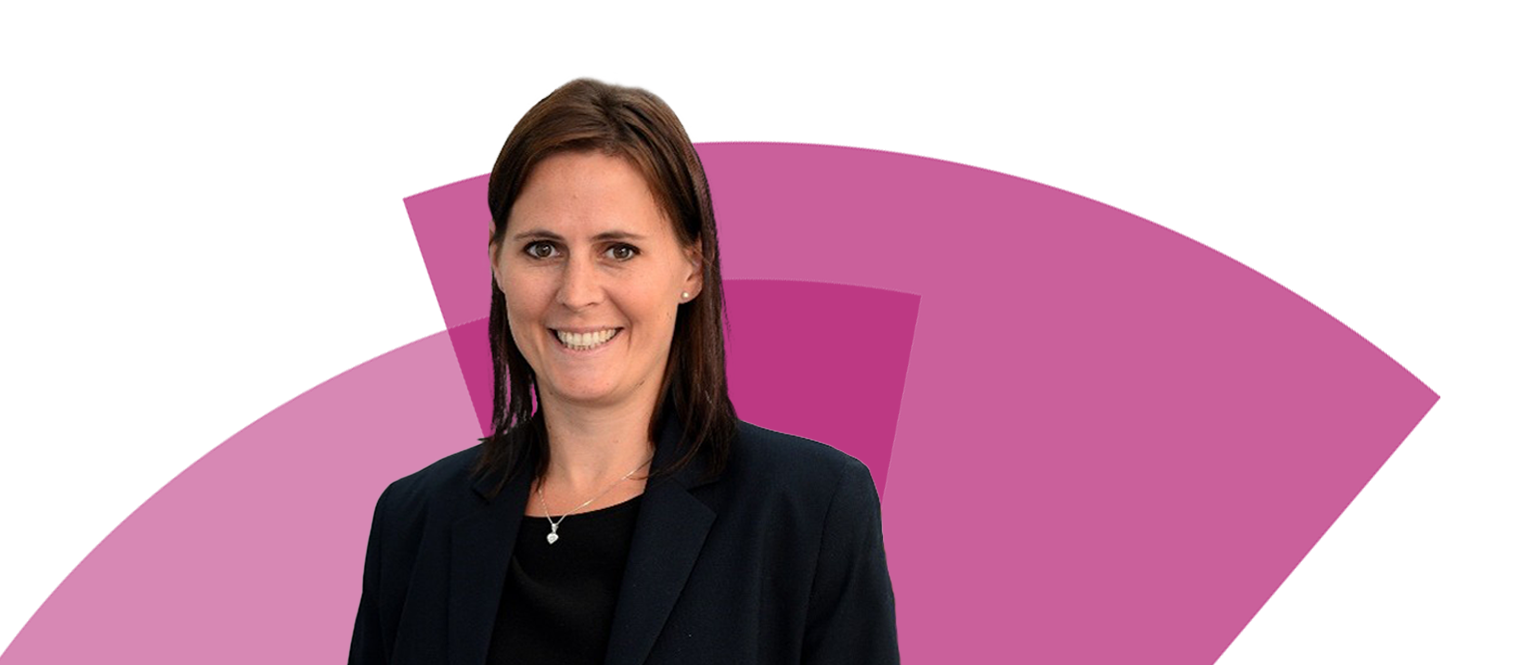
Laura Saunders, paraplanner
What inspired you to follow a career in financial services, and how did you get started?
I’ve always been interested in money and the importance it has in people’s lives. But it wasn’t something I learned about at school, and financial services wasn’t a career I had in mind when I went to university.
I studied Criminal Justice and thought I might work in social services, but after some volunteering experience, I realised it wasn’t the right path for me. So, when I graduated, I didn’t know what I wanted to do.
Just by chance, I saw an advert for a financial planning administrator role in the local paper. It offered the opportunity to study for professional exams while gaining practical experience. This sounded like a golden opportunity, so I applied even though I didn’t really expect to get the job – but I did.
It was a very small firm with great people. I quickly realised that I enjoyed the work, so I’ve never veered away from financial services. I love learning about the profession and helping people make informed decisions about their finances.
Since then, I’ve worked in administration, paraplanning and advising, including training as an adviser at Legal & General. I’ve moved between advising and paraplanning roles throughout my career, including at Francis Clark Financial Planning, which has given me a rounded understanding of the profession.
As a paraplanner, I work closely with financial planners, applying my technical knowledge and taking an independent perspective on clients’ circumstances. This supports planners in delivering the most appropriate and effective advice for their clients’ needs.
Have you had any role models or mentors who have helped your progress?
Throughout my career, I’ve been fortunate to work with several people who have helped shape my development.
In my first role as a financial planning administrator, where I completed my exams, I worked with a colleague who had a lot more experience in financial services – and that particular firm – than me. The firm used cashflow modelling software, which is widely used today (it’s at the heart of everything we do now), but it was relatively novel then.
This colleague became an excellent mentor and was really kind in sharing their knowledge generously with me.
Their support played a significant role in building my confidence and helping me see financial planning as the bigger picture.
In another role, I worked for a manager who was quite critical and would review my work harshly, giving lots of corrections and little encouragement. At the time, I found that difficult to deal with. But, looking back, this was the person I’ve probably learned the most from. My experience working with them helped me become more resilient and pay closer attention to detail.
I’ve also worked for a firm whose practices and standards weren’t always aligned with my values. That taught me a great deal about professionalism, ethics and how not to do things!
Finally, when I came to Francis Clark Financial Planning as a paraplanner and stepped into an advisory role, I worked closely with a number of experienced financial planners and senior colleagues who were very generous with their time and support.
It was really valuable to watch how they built relationships with clients and solved problems and planning issues while maintaining professional standards.
I believe there’s always something to learn from everybody, whether good or bad, and I’ve tried to take those lessons from every role.
What have been your most rewarding career moments so far?
Without a doubt, the most rewarding aspect is helping clients make informed decisions and seeing the impact this has on their lives.
I’ve worked with clients who have been particularly vulnerable or totally overwhelmed by their circumstances. For example, widows who don’t even know how much money they’ve got, where their income is going to come from or what to do next. Being able to sit with people, comfort them and hold their hand can be very rewarding.
If somebody comes to you with very little understanding of their options and you can give them clarity and the confidence to plan for their future, that’s immensely rewarding.
I feel that my experience as a client-facing adviser has given me another perspective as a paraplanner. It allows me to see people as people, rather than just names on a piece of paper.
Another significant career achievement was completing my Chartered exams in 2023. I am particularly proud of this accomplishment because it required a considerable commitment, and I completed most of the exams while my children were still young, making it a very busy period of my life. I did not pursue Chartered status solely for my career progression; I chose to do it for my own personal achievement and development.
How has gender diversity changed in financial services during your career?
I’m acutely aware that there are still fewer women in senior financial services roles than men, although the balance has improved since I joined the profession in the early 2000s. Throughout my career, I have been fortunate to work with and learn from a wide range of talented colleagues and mentors, both women and men, who have played an important role in my development.
At Francis Clark Financial Planning, we are fortunate to have strong role models across the business, and I believe that the most important thing is creating an environment where everyone feels able to be themselves, contribute their strengths and succeed based on their abilities, regardless of their background.
What advice would you give to young women who are thinking about entering the profession?
If you are interested in financial services but do not know much about the profession, take the time to do some research, speak to people already working in the profession and explore the wide range of careers available. Financial services is about much more than advising clients, and paraplanning is a rewarding and fulfilling career in its own right.
Most importantly, do not be afraid to take that first step. You may discover opportunities and a career path you had never previously considered.
What are your long-term career goals?
I’ve tried different roles, achieved my Chartered status, and I’m really happy where I am.
I know my job is going to change over time, particularly with AI becoming more integral to what we do and what clients expect. I see this as an opportunity to continue learning, improve my efficiency and enhance client outcomes.
So, my long-term goal is to stay in paraplanning – because that’s what I love and find the most rewarding – and focus on being as good as I can be.